I feel like an imposter.

20170328_205011[1]

Some days I don’t feel like I belong.  I feel like an imposter in my own life, or like my life doesn’t belong to me.  It’s a disorienting feeling and very difficult to describe to others. When I’m depressed or coping with PTSD symptoms I often feel like I’m faking it.  Like I’m pretending to be something I am not, or I am not what I am supposed to be.  I don’t fit in anywhere, even within my own life,which I struggle to believe is actually MINE.

During the workday, I help abused women.  I’m a counselor, a support worker, a health care professional, a peer supporter, and I help others.  I believe that I am good at most aspects of my job, especially those related to support work.  I have slowly developed some confidence that I can help other women.  That my experiences may have some meaning because they have given me the skills to deeply connect with others who are living with abuse, trauma and the impacts of violence.

But it’s incredibly disorienting when I leave work and am forced to deal with abuse, trauma and the impacts of violence in my own life.  Sometimes I feel confused, sometimes I feel like my life can’t really be this bad, this difficult, this out of my control.

Sometimes I feel like I’m living inside a public service announcement for domestic violence awareness.  How can I truly help others, when my own life is still being impacted by an abusive ex-partner?  How can I truly help myself?  How can I separate the past from the present, the triggers from the actual risks?   How do I stop this terrible helpless, disoriented, exhausted feeling?  Can I be a good support worker if I can’t solve the problems in my own life?  If I don’t follow my own excellent advice?

Last week I was at a doctor’s appointment with my children and my ex-partner.  It was very difficult and very triggering.  The doctor was asking the kids questions that they obviously couldn’t honestly answer with their father sitting in the room.  I felt a deep sense of pain and discomfort.  I wanted to tell the truth to the doctor about what my kids are struggling with, but I knew that if I said too much it could have impacts on my kids’ safety with their father.

The doctor asked questions about “do you feel safe?” and “do you have thoughts about harming yourself?”  On one hand, I was glad to see that this doctor was asking mental health and abuse screening questions.  On the other hand, I felt panicky and unsafe because the situation was so impossible.

I remember a time years ago, when I went with my then husband to the emergency room for a migraine.  The triage nurse asked me “do you feel safe in your home?”   The question made me pause, stop and think.  I knew that I didn’t feel safe in my home, but I also knew that answering honestly would cause something to happen.  My husband was sitting only a few feet away.  I didn’t know exactly what the “something” would be.  I hesitated for a second and answered “yes,” the only real possibility in that moment.

But I was thankful that the question was asked, because on a different day, or for a different woman that question could have been the permission and the space needed to disclose domestic violence or sexual abuse.

Health care professionals MUST ask these difficult questions.  They must ask their patients about thoughts of self harm, thoughts of suicide and experiences of violence.  They must ask if their patients feel safe at home.  These questions are vital and open a potentially life saving door.

But if the professional doesn’t have a clear plan as to how to handle a disclosure, they can do more harm than good.

Don’t ask a question you don’t want to know, or aren’t prepared to know, the answer to.

Don’t ask if someone feels safe, unless you are prepared to help them find safety if the answer is no.

Don’t ask someone if they feel suicidal unless you are prepared to support them, connect and hold space for them.

Don’t ask about abuse unless you are willing and able to support, believe and validate that potential disclosure.

Please, don’t ask questions unless you are willing to help or do what is needed to find help.

Sometimes it’s not enough just to believe someone.  Sometimes that person might need concrete help and support.  Health care professionals need enough time and enough resources to provide this help.  They shouldn’t be rushed in their jobs, they should be given adequate time and privacy to complete interviews.  They should have training in trauma informed care.  They should have resource lists, with shelter numbers, sexual assault centres and other options available.  And they should receive specific training around handling disclosures related to violence.

It was so triggering for me to be in a situation where these questions were asked in front of my abuser.  Where I knew my children didn’t have the ability to speak freely.  This situation was not conducive to health.  When in doubt, children could be interviewed alone.  Or if the doctor sense there is something complex going on, they should follow up. In a timely manner!

I know this doctor could sense the tension.  I did get the impression that she believed and could tell that I was afraid.  I didn’t feel like she did harm or had ill intent.  But I’m still constantly frustrated how many adults, doctors and counselors “believe” my children, and “believe” me, but have either no power, or no will to actually intervene to influence change.  The systems that have the power to intervene don’t believe (or are too slow) and the systems that do believe, ultimately have little power to impact the situation.

It means something to be believed.  But if the dangerous situation is allowed to continue indefinitely, it makes it difficult for survivors to trust.  It makes it difficult to feel safe and supported, anywhere.  It makes it more and more difficult to continue to disclose and continue to ask for help.  It makes me feel crazy.  It makes me feel like an imposter in my own life.  Where nothing makes sense and what I know to be right and fair and good is not able to transpire.  Where I can’t effectively protect myself or my children.  Where I help others by day, and feel panic, helplessness and fear each night.


Sick Days.

20170307_164945[1]

I’ve been home sick the past few days and sick on and off for a while now. It’s really difficult sometimes to separate physical and mental health symptoms.  Everything is all blurred together and it’s hard to tell when to push myself harder and when to rest.  This past week has been an explosion of physical and mental health struggles that are creating a storm of symptoms and have forced me to (uncharacteristically) stay in bed.

I haven’t met very many people who understand the complex intertwined experience of having both physical and mental health issues simultaneously.   Most doctors aren’t very trauma informed and also struggle to validate that both physical and mental health issues can occur simultaneously, and be either linked, not linked or both linked AND not linked to each other!

One of the things I’ve been coping with in the past few weeks is a urinary tract infection.   Obviously, an infection is caused by bacteria and isn’t a mental health issue.  But I was also really triggered in the past few weeks and this made me extremely reluctant to seek medical care.  I was afraid to go to a walk-in clinic, afraid to see a doctor, afraid to be examined.  This was linked both to past trauma around the medical system AND generally high levels of panic and anxiety related to stress with my ex and my kids experiencing abuse.   Thus I waited for over a week to go to the doctor, by that time my symptoms were much worse and I felt pretty awful physically.

This is an example of how physical and mental health issues can be both separate and linked at the same time.  The infection itself was physical, but my avoidance of the doctor was mental health and trauma related.   Of course you might also argue that my high levels of stress and anxiety also generally lower my immune system and make it harder for me to fight off infections.

By the end of last week I was on antibiotics, but I also developed a sinus cold.  I had a migraine related to receiving a nerve block to treat the migraines, but the sinus congestion put pressure on the nerves that were being treated.   My anxiety was causing panic attacks and making me afraid to leave the house for fear of running into my ex.

Thus again, my high levels of stress probably didn’t help any of these physical issues that I was dealing with.

When someone has an infection, generally they are advised to rest.  But resting is difficult when you are also struggling with severe anxiety and panic attacks.  My head gets filled with worries about work and what I’m missing and what people think about me being away and creating all sorts of worries and fears, many of which are not realistic.

Anxiety causes me to feel like a failure.  It causes me to feel like making a mistake is a terrible thing which can’t be recovered from.  It causes me to feel like everyone around me hates me and thinks I’m doing a terrible job.  Or worse, they think I’m faking being sick to avoid responsibilities.  A lot of my irrational worries centre around feeling like nobody believes me and that nobody likes me.

Experiencing abuse, and extending periods of emotional abuse, as well as abuse within systems, has lead me to fear and avoid conflict of any kind.  I want everyone to be happy all the time.  I get very anxious when there are disagreements and I’ll often apologize even when I’m not sure I have done anything wrong.   I’ll do what I can to avoid conflict, because when interpersonal conflict levels are high around me, my anxiety levels feel unbearable.  Because ongoing interpersonal conflict is a trigger.  I try to keep people around me happy because I want to feel safe and BE safe.

Unfortunately, in the real world, conflict is unavoidable.  Disagreements are part of life.  As the saying goes, you can’t please everyone all the time.

But I want to!  I need a lot of reassurance from people around me that I’m doing an adequate job.  I need reassurance that conflict isn’t dangerous.  I need reassurance that people believe me, that they believe I experienced abuse, that they believe I’m trying my best.  I need reassurance so badly because my internal dialogue is so self critical and judgmental.

I know it’s not the responsibility of those around me to constantly reassure me.  I know I’m an adult and I have to take responsibility for my own feelings and fears.  The difficult part is that while I’m experiencing ongoing abuse and conflict which is outside of my control, my self esteem is constantly being eroded and challenged.  I need reassurance because I haven’t yet learned to fully believe and reassure myself.

I believe this is very common for survivors who have experienced long periods of gaslighting or complex emotional abuse.    It’s hard to build up a stable sense of self when you are being confused, beaten down and made to feel like you are crazy and nobody will believe you.

Survivors need a lot of patience.  Sometimes you might get frustrated with me.  Sometimes you might feel like I’m being unreasonable.  Sometimes you might not understand why I’m SO upset over something SO little.   Please remember that it’s not little to me.  My reaction could be related to feeling triggered and that trigger is making me feel like a failure.   If you have the energy and patience to reassure a survivor, please do so.  She might need to hear thousands of times that you believe her and that you don’t think she is crazy.

I need to hear it a thousand times.  Especially on weeks like these where I feel crazy, broken and like a failure.

Being physically and emotionally sick at the same time isn’t a lot of fun.  Taking sick days when you are struggling with severe anxiety and PTSD isn’t fun.  It’s not relaxing.  It’s not “a break.”

I guess sometimes we have to carry on, try to move forward, even if we don’t believe or have faith that everything will work out for the best.

Born this Way?


20160821_2052321

A question that I get asked a LOT when I disclose to people that I’m queer is:

“Were you always attracted to women or do you think is it a result of your trauma?”

I find myself wondering what the answer is.  Was I born this way?  Or did I become less and less attracted to cisgender men as a result of experiences of sexual assault?  Does it matter? And why do other people care about the “cause” of my sexual orientation?  Is it really anyone else’s business?

Is my sexual orientation any less valid if I wasn’t born this way?

As a result of recent world events, I find myself feeling less self confident and proud of being queer.  I’m afraid that it might make me more of a target, or be perceived as more different.  I already feel like I don’t fit in, and being queer sometimes feels like one more way that I’m not “normal.”

I came out gradually to people in my life after 3 decades of living the straight lifestyle.  I bought into the “straight agenda” of heteronormativity.  Grow up, get married, have children, live happily ever after.  But it didn’t turn out that way for me.  After dating men for my entire adult life, and after being in a serious relationship/marriage with a man for 13 years, I was single and I had the freedom to explore what not being straight might mean.

I honestly don’t know if I was born this way.  Because as a young person, I don’t think I even knew or understood that being gay was an option for me.  I did know a few gay guys, but I didn’t know any gay women (or at least I thought I didn’t!).   I don’t remember ever having a conscious thought that dating women was something I could explore.  I don’t remember NOT being attracted to women, I just remember it not being on my radar.  Does this mean I wasn’t born this way?  Or does it represent a lack of knowledge that I could explore options other than the heterosexual path.

I have survived a lot of sexual violence perpetrated by men.  Because of this I have flashbacks and triggers related to men.  There is no doubt that experiencing sexual trauma at a young age impacted my sexuality.  But did it “turn me gay?”   And again, does it matter?

For me,  neither answer rings true.  I wasn’t 100% born this way, and it wasn’t entirely trauma either.  Most of all, I don’t think it’s important to figure out exactly why, in my 30s, I came out and identified as a queer woman.  Maybe for some people there isn’t a clear path.  Maybe for some people sexuality is fluid and develops across a life span.  I don’t think it makes me any less queer just because I came to the realization in my 30s.

I do know that when I identified as straight, nobody ever questioned me about it.  Nobody ever asked me if I was “born that way.”   Nobody asked if I’d been abused by women and thus was only attracted by men!  Hetero-privilege means that you don’t get questioned about your sexuality.

I do know that my sexual orientation isn’t a choice.  It’s not something I can ignore and it’s not something I’m ashamed of.  Whatever the reason, I’m not straight.  And as much as I’d sometimes like to return to my hetero-privilege, I can’t.  Once you come out of the closet, you can’t shove yourself back in there.

I’m here, I’m queer and I’m made this way!


Healer, Heal Thyself.

20170206_2044451

Do you ever have the feeling that you are a complete and utter fraud?

I’ve been feeling this way recently, more than usual, as I’ve been reflecting on how little of the advice I share with others that I actually follow myself.   Am I a fraud, if I truly believe what I’m telling other people, but can’t internalize it or believe it for myself?

How is it possible that everyone around me deserves health, happiness and recovery but I somehow feel undeserving of even simple things?

Someone close to me commented on one of my scars this week.  It was a passing comment, about noticing a scar on my hand that he hadn’t noticed before.  To him it was a neutral comment, just noticing, no judgment.  I told him that scar had been there since around 2002, it wasn’t new.  That was the end of the conversation for him, but I started talking about and reflecting on the amount of harm I’ve done to myself over the past 20 years.

Until 2009, I hid all my scars, all of the time, from everyone.  Even when I was home alone I would wear long sleeves and pants.  I was so ashamed of my cuts and scars that I didn’t even want to look at them myself.  In the summer, I was perpetually hot, avoiding swimming, making excuses to stay in the air conditioning.  My life was being seriously limited by my self destruction.

From 2009 on, I gradually began experimenting with uncovering my scars.  I wore t-shirts or skirts when I was hot, and started to swim again.  I still kept a cardigan or long sleeved shirt with me at all times, so I could cover up around people who didn’t know about my habit, or for situations like interviews where I didn’t want to be judged.  I used to have so much anxiety about people seeing my scars and I would imagine all sorts of scenarios where people around me judged me as crazy.  I even thought that CAS would come to take away my  kids because if someone saw my scars they would report me as an unfit mother. Over time, I  became accustomed to uncovering my scars.  I came to a place of a bit more acceptance (plus I got tired of being hot all summer!).  This was a process and today, the only time I purposefully cover my scars is when I’m helping other women at work.  I’m afraid that my scars might trigger others, especially those who are working on their own healing.

I still feel sad though, every spring when the warm weather returns and shorts, t-shirts and summer dresses flood the shopping malls.  I feel sad because in the summer I can’t hide under my clothes.  In the warm weather, I often feel exhausted when interacting with people because I am intensely aware of the visibility of my scars.  It gets a little bit easier each summer, and I think about it less and less often, to the point where there are times that I almost forget about the scars. Almost.

I can’t really forget about them. I can’t forget about them because they represent a huge, unnameable, unspeakable history of trauma and pain.  And at some points I feel crushed by the weight of the realization that I have been my own worst abuser.

I am my own most dangerous and most unrelenting abuser.

It’s difficult to know how to even approach talking about, thinking about or grieving the trauma I’ve inflicted on myself.  It’s not something others discuss or disclose to me either.  We talk about the hurt caused by other people in our lives, the betrayals, the injuries and the abuse.  We talk about being hurt and being damaged.  But how do I start a conversation or healing process around the trauma that I perpetuated?  How do I heal from situations where I was both the abuser and the survivor, simultaneously in one person, in one experience, in one breath?

My experience of surviving sexual and emotional abuse at the hands of perpetrators, is directly linked to my “decisions” to cope by self harming in various ways.  Before I was sexually abused I didn’t have anorexia, depression, PTSD, or obsessive compulsive tendencies and I did not cut or physically harm myself in response to stress.   Before I was sexually abused, I considered myself a “normal” person.  I didn’t have a mental illness, I didn’t have dangerous coping techniques, I wasn’t a psychiatric survivor or  a survivor of violence.   When I look at my scars, I see both the abuse I survived and the abuse I perpetuated.  The scars are an ever present reminder that I have survived, but they are also like a road map of the destruction and self destruction that has woven through my adult life.

Yes, my scars tell a story, but I’m not sure it’s a story that I want to hear.  I’m not sure it’s a story that I want to tell either.

But sometimes I do want to tell my story.  That’s part of why this blog was created.  There just isn’t a lot of space in our busy, day to day lives, to talk about the story my scars tell.  The person who was with me during the majority of those years (my ex-husband) is no longer available or safe for me to contact.  I don’t have anyone to share my memories of those dark years with.  The people who know me now weren’t there with me in the emergency room while my cuts were being stitched.  The people in my life now, weren’t there with me when I tried, multiple times, to end my life.   Except for a few, the people in my day to day life, didn’t know me when I almost starved myself to death.  People see me differently now.  They see me as a whole person, a mostly well person, a successful person, a good mother, a co-worker, a friend…sometimes I feel like a fraud because I can’t, or don’t know how to, talk about these aspects of my past.

And sometimes I want to talk about them.  I really want to talk about what things were like “before.”   Before I left my ex-husband.  Before I stopped utilizing the psychiatric system.  Before I decided to stay alive.

That “before” person is still me.  I’m just not sure how to heal that “before” me and this current me simultaneously.  I’m not sure how to forgive myself, or to have sympathy or empathy for the me that wanted to die.  I’m not sure how to look at my scars without feeling sadness for the fact that I permanently disfigured my body before I turned 25.  I don’t know how to grieve my smooth, scar free skin…I barely even remember what I looked like before I started cutting.

There are days when I accept my scars.  They are a part of me, they do tell a story and they do represent survival.  But there are days when I hate them.  I hate being different.  I hate having a visible mental illness.  I hate feeling ugly.  I hate worrying about what others will think when they see them.  I hate hating myself SO much that self harm feels like a reasonable solution.

Sometimes I look back on the past and wonder what my life would be like if I’d chosen a different way of coping.  Or if I’d never been abused.  Or if I’d told someone about the abuse.   How different would my life be if I’d never picked up a blade, never wished to end it all?

It’s an interesting dilemma, because there are some parts of my survivor self that I like and I wouldn’t want to change.  If I hadn’t had these experiences I would have chosen a different career path.  I wouldn’t have had my children at a young age.  I wouldn’t be as passionate about social justice and advocacy.  I wouldn’t know the majority of my current friends.

My life would be very different.  I don’t even want to change the past.  It did make me the person I am today and I’m okay with that.   What I do want to change is how much I still judge myself, berate myself and hate myself for my past choices.  I want to learn to do more than accept my scars.  I want to do more than tolerate my body, in an uneasy, fragile truce.

Intellectually, I know that I deserve more than surviving.  Intellectually, I know that a deeper level of healing is possible.  I’ve seen people around me heal and recover from unimaginable horrors.  I’ve seen people build a sense of self confidence from the rubble of their lives.  I know it is possible and that self-love and self acceptance are attainable goals.

But emotionally, I just don’t feel it.  And that makes me sad, and maybe right now, the first step in healing self-hatred is just simply grieving the loss of that 15 year old healthy self.

 Note: The illustration was drawn by me around 2004


Can’t make everyone happy.

One of the ways I’ve coped with trauma in my life is to try to make everyone happy all the time.  When I was a child I thought my role was to “be nice” and to “be a good friend” and to take care of others, pay attention to my friends’ feelings, be considerate, be polite and do well in school always.  Essentially to be perfect all of the time.

I took this to such an extreme that I thought it was my responsibility to save, fix and adapt to my abusers.  Somewhere along the way I did not learn that it’s okay to be mean to protect myself.  It’s okay not to be nice to abusive people.  It’s okay to say NO, even to scream it and it’s not something to feel guilty for.  As an adult I STILL struggle with internalizing this.

I’ve spent the majority of my life trying to figure out what part of all my traumas is my fault.   What could I have done differently?  How could I have seen it coming?  Maybe if I’d been a better friend, she wouldn’t have died.  What if?  Maybe people are mad at me?  Maybe I made a horrible mistake at work and everyone blames me.   A good portion of my internal dialogue is convinced that somehow I’m a terrible mistake.  I’m not really a good person.  If only everyone could see!  Then they’d know the truth.

So as an adult, in most areas of my life I try to be the peacemaker.  I try to listen to everyone’s side of the story.  I try to minimize or avoid conflict at all cost.  I feel incredibly uncomfortable, even panicky when people around me are angry.  And if there is a conflict, you can bet it’s somehow my fault and I will feel guilty about it.

The irony, is I support survivors of violence every day.  I’ve told over a hundred or more women that what happened to them isn’t their fault.  I’ve told friends, I’ve told family members.  Heck, I’ve even told my abusers that things that happened to them weren’t their faults.  You were a child!   You couldn’t have known!   You did everything you could to protect yourself!   You aren’t to blame, he’s an abusive person.   You were in the wrong place and the wrong time.  You couldn’t have prevented it.  Your are doing what you can to take care of yourself.  It’s not your fault.  I believe you.

But at the end of the day, I treat myself with contempt and blame.  I feel like literally everything is my fault.  Always.  I try to depersonalize.  I know intellectually that most people aren’t even thinking about me, let alone blaming me for things that go wrong.  But deep down, I fear that I’m just a flawed person and I feel panicky when I realize I can’t keep everyone happy all the time with sacrificing myself.  And even if I do sacrifice myself, people around me have their own feelings and can be mad, hurt, angry and scared and there is not a connection to me.

A lot of women grew up with the message to “be good” and not to show anger.  Angry girls get labeled bitches.  Assertive girls get labeled bossy or rude.  Angry girls are judged.  People like calm, pretty, patient and loving girls.  We are surrounded by this covert and overt messaging from birth.  The labels put on us almost before we take our first breaths.

Why do so many girls and women feel such intense guilt and even shame around saying no?  Why do so many girls and women feel that anger is an unacceptable emotion and that they are bad for having it?  Why do I feel this way?  How do I make room for myself without feeling guilty?  How to say no without feeling afraid and ashamed?

These days, the world has become a scary place.  I’ve had to take breaks from social media and the news because I’m so devastated by the hatred and violence I see.  I feel the urge to isolate myself, connect less, spend more time alone.  Because I don’t feel very safe in the world anymore.  It’s rare that I feel truly safe.  As a survivor of violence, living with PTSD I feel scared most of the time.  But current events have triggered a different level of fear.

And sadness.  Because all the caring in the world can’t fix this mess.  I could be the best person in the world and I couldn’t make all my friends feel safe.  I want everyone to be in a bubble where they feel safe and protected.

I am a good person. I genuinely help people because I care about them and I want to.  It’s not because it’s an obligation or how I was raised.  It’s not just the expectation placed on me.  I think I was always this empathetic person. I always cared deeply, perhaps too deeply.  And it’s always hurt me.

But right now it hurts too much.  I just want to say NO MORE TRAUMA and hide from the world.  My brain feels overwhelmed with conflict.  I’m afraid about everything I do, that it will somehow make things worse.  When I’m alone at least I can think and I only have to monitor myself and my environment, not other people and their reactions.  Sometimes the guilt feels too much and I just don’t want to make a mistake or let someone down.  I’m also terribly afraid of being hurt or betrayed by someone else.  Sadly, this is a lonely way to live.  I just want to be in a bubble and feel safe and protected too.

Being lonely feels safer right now.  Because I can’t make everyone happy all of the time.  Sometimes I feel like I can’t make anyone happy, ever.

I can’t even make myself happy.

Alternative Facts.

It’s difficult to put into words exactly how triggering recent political events have been for me as a survivor of sexual violence.  It’s been difficult to know how to write about my feelings.  I’ve been reading the news, my feeds are covered in tweets, blogs, posts and comments related to the election.  But honestly, I can’t even look at his face without feeling nauseous and dizzy.  I don’t even want to type his name into my blog.

Why am I so triggered by this?  Some people around me have said, “it’s not our country, you have to just let it go.”  But that is a comment made from a place of privilege.  One that I’m not able to occupy because this election impacts me personally.  No, it isn’t my  country.  No, he isn’t my president.  But the fact that the democratic country to the south, has elected a man who has openly admitted to sexually assaulting women, is just too much to bear.  They say that accusing a man of rape will ruin his reputation. I think this is proof that that is a complete and utter lie.  Actually, it will make him leader of one of the most powerful countries in the world.

I’ve watched and heard snippets of news over the last few days.  I try to limit any viewing of the man himself, but I’ve gathered some important facts.  I’ve seen a new phrase being tossed around: “alternative facts.”

Quite frankly, this is terrifying to me.  I am very familiar with “alternative facts.”  The word I use for them is gaslighting.  I’ve already blogged about my experiences with gaslighting, but to refresh your memory, here is the Wikipedia definition of gaslighting:

Gaslighting is a form of manipulation through persistent denial, misdirection, contradiction, and lying in an attempt to destabilize and delegitimize a target. Its intent is to sow seeds of doubt in the targets, hoping to make them question their own memory, perception, and sanity.”

I experienced “alternative facts” when my abuser told me that I was responsible for the abuse he was perpetrating.  When he told me that if I was a “normal woman” I’d be okay with what he was doing.  I experienced “alternative facts” when he told me that the reason I didn’t like being assaulted in my sleep was because I already had PTSD.   I then experienced “alternative facts” when he claimed in court that I’d made up all the allegations of abuse, including the ones from my childhood, the ones he’d used to as an excuse for my discomfort.  I experienced “alternative facts” when my first abuser told me he would commit suicide if I ended the relationship.   I experienced “alternative facts”  when my ex-husband spread rumors about my mental health to all the health care professionals and school professionals involved with helping me and my children.   I experienced “alternative facts”  when the family law system told me that my disclosures of abuse were just “allegations” and were “irrelevant” to the determination of custody of my children.   I experience “alternative facts” dealing with Children’s Aid, when workers accuse me of coaching my children, and accuse my children of not being truthful.  I experienced “alternative facts” when the police officer who investigated my sexual assault told me he had tried to contact me multiple times and then closed the case (it was proved he never contacted me).

I’ve experienced systemic gaslighting in attempts by multiple people and institutions to silence me, to discredit me, to paint me as insane, to transform my self advocacy into “creating conflict” and to dismiss my feminist principles as extreme.

I am not alone.  Women and gender non-conforming folks who come forward with disclosures of their experiences of sexual violence face “alternative facts” at every turn.  Male survivors of sexual assault are gaslighted too, within a culture which tells them that men can’t be raped. Survivors are no strangers to gaslighting.  We are no strangers to having our ideas dismissed as hysteria.  We are no strangers to attempts to control us, our bodies, our minds and our souls.

I believe this is why millions of women marched on Washington and in cities and towns all over the world.  Women marched because they are tired of “alternative facts” and they have no interest in being gaslighted by anyone (least of all their government) anymore.

I marched because I didn’t want to surrender to a feeling of hopelessness.  I marched to show solidarity with those women who are less privileged then I am.  I marched to break the feeling of isolation that I’m experiencing.  I marched to know that I am not alone.  It was not my first protest, it was not my first march and it won’t be my last.

I know that marginalized groups have experienced oppression and “alternative facts” for centuries.  This is not a new phenomenon.  I know that and I acknowledge it.

But there is something incredibly unsettling and downright terrifying about someone who does it so publicly, so obviously and so without shame.

There is something deeply sickening about knowing that someone who hates the majority of people I care about (My LGBTQ+ friends, my Women of Colour friends, my friends who came here as refugees, my friends who live with disabilities, my trans friends, my own child, and all of my friends who are survivors of violence) has risen to power in such a way.

When I look at him, I see a reflection of all the perpetrators I have known.  I see privilege unchecked and unrecognized.  I see destructiveness, ignorance and hate.  I see all the things I fight against and oppose in my day to day life.

I see you.  I see your alternative facts.  But I call them gaslighting lies.  And they disgust me.

Seeing things.

img_8702

It’s been a difficult week for so many of us, including women and gender non-conforming survivors of sexual violence.  I’m struggling with my PTSD symptoms.

Marian was the only one I could ever talk to about some of my more intense PTSD symptoms.  She was the only person I’ve ever met who I really felt completely understood what I was going through.  I never felt “crazy” when I talked to her.  I could call her, say what happened and every time she would know exactly what I was talking about because she’d experienced it too.

I’ve learned with symptoms of mental illness that there are some things that are more acceptable to talk about, and some things which are more highly stigmatized.  There are some symptoms which almost nobody ever talks about, for fear of being judged or experiencing discrimination or persecution.

In 2016, almost everyone knows someone who has struggled with depression, anxiety or who has issues related to food.  These are things we talk about.

People very rarely talk about suicidal thoughts, self harm, paranoia, delusions and seeing and hearing things that aren’t real.

It’s almost like there is a divide between the mental illness that society accepts and the mental illness that is forced to exist in the closet.

When PTSD is really acting up for me, I see things that aren’t there.

I’ve rarely told anyone about this because I know that most people won’t understand.  Marian understood.  I felt so accepted, like there was at least one other person in the world who experienced seeing things as a symptom of PTSD.

This week, there have been three separate occasions where I’ve “seen” my ex in public places.  It’s so hard to explain how this feels.   The first person was in the food court at the mall.  He had a coat, scarf and haircut similar to my ex, and even though I looked at him and my intellectual mind recognized it wasn’t him, I kept looking back over and over, convinced it was somehow him.  My heart was racing and I felt panicky.   It isn’t just the feeling of mistaking someone else for him.  I actually SEE him, in someone else.  Someone else is replaced by him for that moment and I’m afraid.

This happened again today when I was buying my coffee.  The person didn’t even look like my ex, but he became him for a moment.   My intellectual mind tries to reassure me that what I’m seeing isn’t real, but it feels real.  It happens with cars that look like his too.  Sometimes, I have to check and check again, sure that the car is his, even though intellectually I know it is not.

I’ve had this experience before, in the past, in the years leading up to me leaving my ex.  I would see X sometimes, when I was triggered.  I remember talking to Marian about it.

It’s an unsettling feeling.  Sometimes when I’m very stressed and have been sleeping poorly, I also see tricks of the light which aren’t there.   These experiences are all more illusions than actual hallucinations, but they are still disturbing and they signal to me that my brain is over-stressed, overtired and in need of relief.  My doctor assures me that none of these are psychotic symptoms, but they are symptoms of PTSD.

These experiences of “seeing things” are different that what happens during flashbacks.  They seem to happen just out of the blue when my brain is stressed.

During flashbacks, it also happens that my brain sees something from the past rather than what is in the present.  The person I’m with, “becomes” my abuser, I can’t trust what I’m seeing, my brain is mixing the past and the present into a mash up of confusion.

Nobody really talks about these things.  As a survivor it can be very isolating and it can make me afraid to speak out about the symptoms.  Sometimes I don’t know what is more terrifying: feeling crazy or worrying that people will perceive me as crazy.   I know, intellectually, somewhere deep inside, that I’m not actually crazy.  My brain is coping with trauma and it is doing what it needs to do to survive.  Sometimes this coping mimics, looks like, and produces symptoms of mental illness.  But often the symptoms are my brain letting me know that I need to reduce my stress.  If I don’t listen to the early warning signals, my brain escalates to more dramatic signals like suicidal thoughts and seeing things.

Learning to listen to my own inner voice is part of the healing journey.

Essentially,  I think society needs to talk about these stigmatized symptoms of PTSD and mental illness.  I think we need to break down the misconceptions and the misinformation and realize that for the most part, folks are just doing the best they can to cope.   When you are living it, all mental illness is terrifying.  It’s just a matter of degrees.  Sometimes the fear of stigma is what keeps people silent and stops them from reaching out for help.   Talking openly and without judgment heals.

I sometimes see things, but if Marian could understand, maybe you can to.

But why didn’t you report it?

canisay-left

I wanted to write a short post about why survivors of sexual assault don’t report and often don’t tell anyone.  More specifically, why I didn’t.  There are as many reasons not to report and/or tell as there are different survivors.

To distinguish the terms, reporting means telling someone in authority, for example the police, law enforcement or people in a position of power.  Telling, could mean talking to a friend, a family member, a doctor, counselor, religious leader etc.   Reporting is often done to accomplish some goal related to punishing the perpetrator or holding him accountable.  Telling is often done for the benefit of the survivor, finding support, discussing options, being believed and validated.

It can be very dangerous to mix these two concepts.  Because the people you might report to (the police for example) are not likely to, nor is it fully their job to, support the survivor.  In my opinion, it should be their job to BELIEVE the survivor, but even this cannot be guaranteed.

Some women choose to tell, but not to report.  And some survivors neither tell, nor report.  It’s important to remember that this choice should always be made by the survivor and she should not be pressured into reporting.  Sometimes the question “why didn’t you report it?” can feel extremely judgmental and can shut someone down even further.

Let’s talk about some of the reasons women, and folks in general, tend to stay silent when they experience sexual violence

  1. Real or perceived stigma associated with being a survivor of sexual violence.   We live in a rape culture society that tends to blame the victim and most survivors instinctively know this.   In many situations, there is also a great deal of internalized sexism, internalized judgment and internalized guilt and shame related to being abused which created a sense of stigma that might not have actually existed.
  2.  Fears of not being believed.  Many people stay silent, to avoid giving other people the power to judge whether they are telling the truth of not.
  3. Fears related to what they were doing at the time of the assault.  For example if the woman was drinking, if she was out late at night, if she willingly went to the perpetrators house etc.   Many survivors assume that because they consented to one thing, it means they automatically deserve the assault that happened, or that they will not be believed because they “put themselves in the vulnerable position” or were “asking for it”
  4. Fears related to oppression.  A woman may feel afraid to come forward if she is marginalized in any way, for example a Woman of Colour, a person with a disability, a person with a mental illness, a queer person, a trans person, a sex worker or someone using substances.  These folks may feel they will not be believed due to their experiences of oppression.
  5. Not recognizing what has happened as sexual assault.  When people are abused, it isn’t always immediately clear to the survivor that what happened was assault.  This is especially true when survivors are children or when abuse happens in a relationship context.  Often abusers are very kind and meet the survivors needs in some ways, while simultaneously being abusive in other ways.  This confuses the survivor and leaves her struggling to understand and define her own reality.  Also, some people (children for example) literally lack the vocabulary to define what they have experienced.
  6. Not having the option to tell.  For example, not knowing that reporting is an option, or not having a safe person to tell.  Or not trusting anyone enough to tell them.

This list is not exhaustive, but is meant to illustrate some of the complexities related to this topic.

When I was abused as a child and teenager, I neither told nor reported.  I didn’t tell anyone because of a combination of the reasons above.  I didn’t have the words, I was confused about my relationship with the abuser, I didn’t know reporting was an option and most of all I feared judgment and had deeply internalized shame and guilt about what had happened.  I blamed myself.

As an adult, I didn’t report because I was confused about my relationship, because I minimized the abuse as “not that bad,” because I disassociated and coped with self harm, because I had a mental health diagnosis I feared that I would not be believed, because I had children with the abuser and other reasons.

When I was assaulted single times by perpetrators I was not in close relationships with, I didn’t tell because I was ashamed.  Because I felt like it was my fault because I agreed to go with them.  I didn’t want to face the stigma with people I knew and because I worried people would not believe me or would judge me.

In the end, in all the situations I have faced, I have eventually either told, and in some cases, told and reported.  Reporting sometimes felt necessary for various reasons, including protecting other potential victims and attempting to receive external validation within systems, that the abuse actually did occur.

This blog is a way of telling my story and encouraging, or showing, others that telling is an option.  There may be a stigma attached to surviving sexual violence, but there are also communities of survivors and allies out there who will believe and who will validate.  There are safe people.  There are people who believe survivors.

Believing a survivor may seem like something trivial, but it makes all the difference.  Believe me!

P.S I mainly use the word “woman” and the pronoun “she” when describing survivors because the majority of survivors are women and gender non-conforming folks, and the majority of perpetrators are cis-men.   But I want to validate that survivors and perpetrators can both be any sex and/or gender.

A Dance with Disaster

red-white-striped-dress-brand-new-and-never-worn-red-white

Two years ago I met a guy in the social dance community.   It was a community within which I felt safe and I’d never had any problems there.  I had made friends and it didn’t seem unusual to go for ice cream with this guy after the dance.  Dancing makes you hungry and late night snacking is a part of the ritual.

We went twice for ice cream.  On two different weeks and we texted minimally.  On the third evening, I agreed to hang out after the dance.  Again, I was expecting to go for ice cream or snacks.  He wanted to go to his place.  I somehow thought we’d park the car near there and then get ice cream nearby.  He lived near a busy street where there were lots of restaurants open late.

It was late, maybe 12:30AM.  He asked me to come into his place.  Every voice inside me was yelling “No, don’t go with him!”  But then I shut myself down, I told myself “You can’t always be expecting the worst of everyone, you have to trust people, this guy is from the dance, he’s most likely safe”

In other words, I had that moment which so many survivors describe, of knowing that something wasn’t right.  But, like I’d done in the past, I ignored it and went along with what he was suggesting.

He lived in a bachelor apartment inside an older house.  The couch was so close to the bed they were almost touching and there was barely any space to move around.  We sat on the couch and I started talking nervously.  I told him that I’d recently separated from an abusive husband, that I had been sexually abused.   I was trying to give a clear signal that I wasn’t interested in fooling around with him.    He listened without saying much.

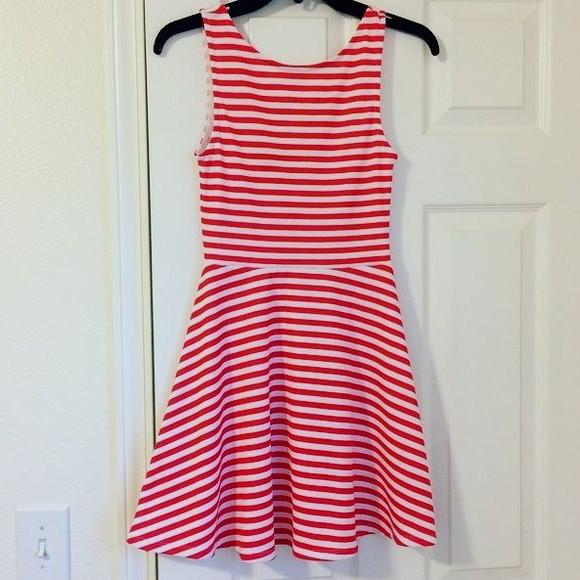
Then he started kissing me.  His hand was on my thigh, pushing up my red and white dress.  I froze.  In my head I was gathering strength, making a plan.  Finally, I said “No” very clearly.  But he didn’t stop.  He kept kissing me and touching me.   Again, I froze, I went into my head and continued planning.   I said “No” a second time and a third.  The kissing and touching continued, his hand touching my underwear under my dress.

I realized at this point that I was in trouble.  He was bigger than me, likely stronger.  We were alone, nobody would likely hear me scream.  Thoughts were rushing through my head.  By the third “No,” my brain was ready to check out.  I was on the verge of disassociating, my energy was used up and my old responses were kicking in.

He picked me up.  Lifted me in his arms and placed me on his bed.  He was on top of me kissing me.  And I had a moment of clarity.  My internal voice spoke firmly (I’m paraphrasing my internal dialogue):

You cannot disassociate right now.  If you disassociate you are going to be raped.  You barely know this person.  You have to fight.  You have to escape.  You do NOT want to be raped tonight.  You have to stay in the present, you can’t zone out!  This is your chance to protect yourself.   This guy didn’t listen to words, you have to use force!”

I gathered my strength and I pushed him as hard as I could with both my hands.  He stopped, lay down beside me, hands still touching my legs.  He seemed upset, as if I’d been leading him on.  I don’t remember him speaking.  I could just tell he was angry.   I breathed one more time, regenerating some strength.  Then I told him I had to leave, jumped off the bed, grabbed my coat and purse and ran.

I ran down the stairs.  I ran out into the street.  My car was parked a few blocks away, but I barely remembered where.  It was late, after 2:30AM.   As soon as I hit the fresh air I was crying.  I was shaking with the exertion of defending myself.  The PTSD was overtaking me, everything was happening and I was still trying to find my car.

I took out my cell phone, and called the guy I was casually dating.  He often stayed up very late and I prayed he would answer.  I called a few times, no answer, left a panicked message and finally located my car.

My friend called me back as I was driving home.  I remember crying on the phone while I was driving.   He stayed on the phone with me for a long time, until I was finally able to sleep.

He was so angry.  He wanted me to call the police, but I knew that was basically useless.  I was also really embarrassed and I didn’t know the people in the dance community to know.  I felt like somehow I’d be the one who would be shamed.  I knew on one level I could, and probably should, tell one of the organizers, but I was too ashamed.  I wanted to keep it a secret and just try to forget about it.   I didn’t want to call the police, because I hadn’t been raped.  It wasn’t “that bad,” and I’d escaped without injury.  I’d just forget about it and move on.

But I was traumatized.  I had flashbacks for days, weeks.  I felt embarrassed, I felt like somehow everyone could know that I’d been assaulted.  It was a similar feeling to when I’d been a teenager and was convinced the whole world knew, when in reality nobody did.

I struggled to wear that red and white striped dress again.  Because when I wore the dress I could feel his hands moving it up my thighs without my consent.  I shuddered just looking at the dress.

I also felt a sense of empowerment, that I was able to defend myself rather than disassociating.  It was the first time in all my years of experiencing sexual abuse that I’d ever physically defended myself. But it was small comfort.  If there was one thing I didn’t need in my life it was to be sexually assaulted again.

The worst part is that I still see this guy.  He’s still a part of the dance community.  He’s on facebook, online dating sites and if I’ve seen him I’ve blocked him.   But I can’t block him from the dance, not without telling someone.  And what’s the point now?  It’s been over 2 years and what if they didn’t believe me?   Worse, what if they think I’m exaggerating or making a big deal of nothing.  So I see him from time to time, I ignore him with all my strength, I walk away, I dance in a different part of the room, I try to imagine him disappearing.  But honestly,  when he’s there I never feel 100% comfortable.

People often say that sexual assault only lasts for a few moments.  Why ruin someone’s life by accusing them of assault and reporting them to the police over something that only lasted moments?   Why ruin someone’s reputation?  Why report at all?

Well, sexual assault doesn’t last only for a few moments.  Not for the survivor!  For the survivor it never fully heals, it’s never fully forgotten.  It’s like a stain on your favourite dress, one that you can’t ever get out.  Or your favourite dress that you can’t wear again, because the stain is the memory of the assault.  It’s  just there, in your closet, to remind you of a night you’d rather forget.

It is “that bad.”  It just is.

To My American Readers

cunos3cxyaencm4

(photo credit Jessica Bennett)

I’m not an American citizen.  I can’t vote in the upcoming election, but today I’ve been triggered and upset due to the state of American politics.

American friends, I urge you to vote and to consider your vote carefully.

I, and other survivors of sexual violence, have struggled today.  Women (and others impacted by gender based violence) have felt a little more uncomfortable and that their world is a little less safe.  And decent men and masculine folks, you are harmed by these comments as well.

I’m talking about rape culture.

It’s 2016, and one of the people running to be the leader of the most powerful country in the world, is promoting racism, xenophobia, patriarchy, and rape culture.  A disturbing proportion of what this man says is actually considered hate speech by many people around the world.

A politician should be a leader and set the tone for the people they lead.

Glorifying sexual assault is disgusting and it gives people the clear message that consent is optional.  If you are rich and powerful you have the right to take sex. If someone says no, then just try harder.  Or better yet, don’t ask at all…just grab their ****.   It sickens me.

I’ve had a difficult day today.  As a woman, I do not exist to be a sexual object for others.  As a woman, I do not want to be treated as if my word is less valid because of my gender.  If I say no, I mean no.  Consent culture is important to me.  As a woman first and as a survivor of sexual violence.

I don’t want to live in a world where the leader of the country to the south of us grabs women without their consent and then brags about it after.  I don’t want my children (or any children!) seeing this as normal behaviour.  It’s not just locker room banter, it’s assault, harassment, hate speech and misogyny.   A world where this is normal reduces women to sexual objects and men to sex crazed, power hungry rapists.  It benefits no one.

I don’t want to live in a world where racism, Islamophobia and xenophobia are being spouted by world leaders.   It scares me, and I benefit from white privilege.  It scares me that anyone would even consider voting for this man. It scares me to think of the divisive direction this world will take with him at the helm.

It benefits no one.

We are better than this.